 Image 1 of 11
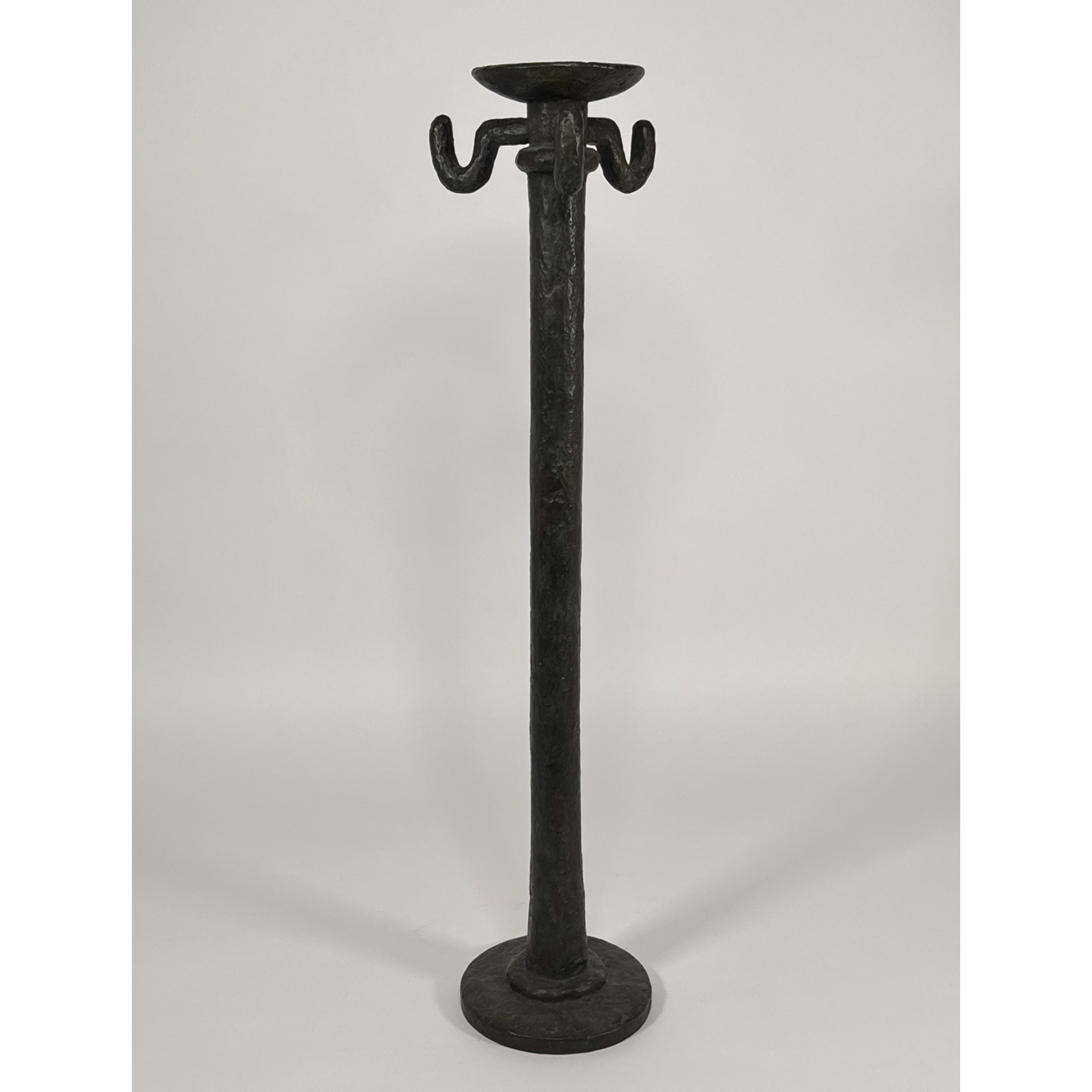 Image 2 of 11
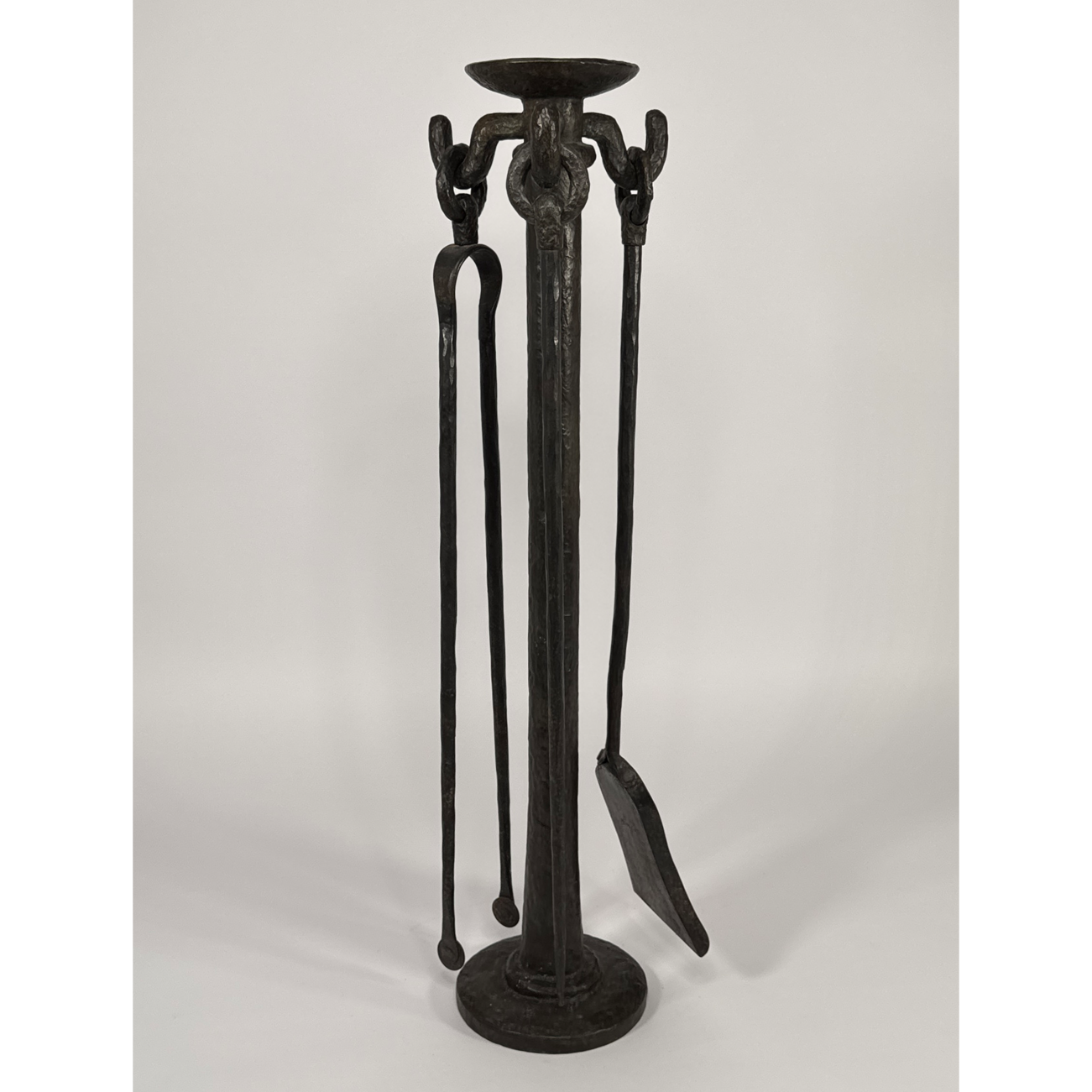 Image 3 of 11
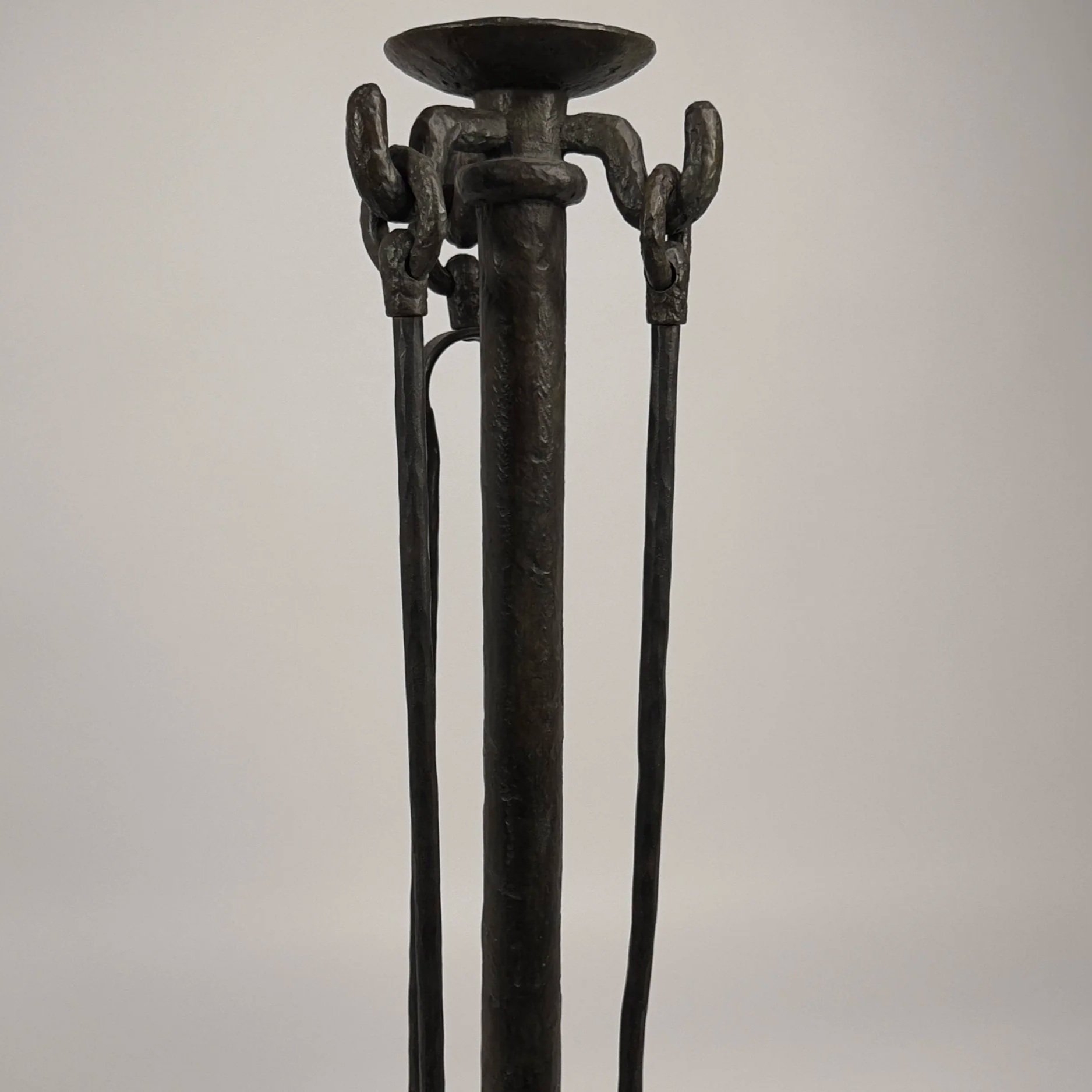 Image 4 of 11
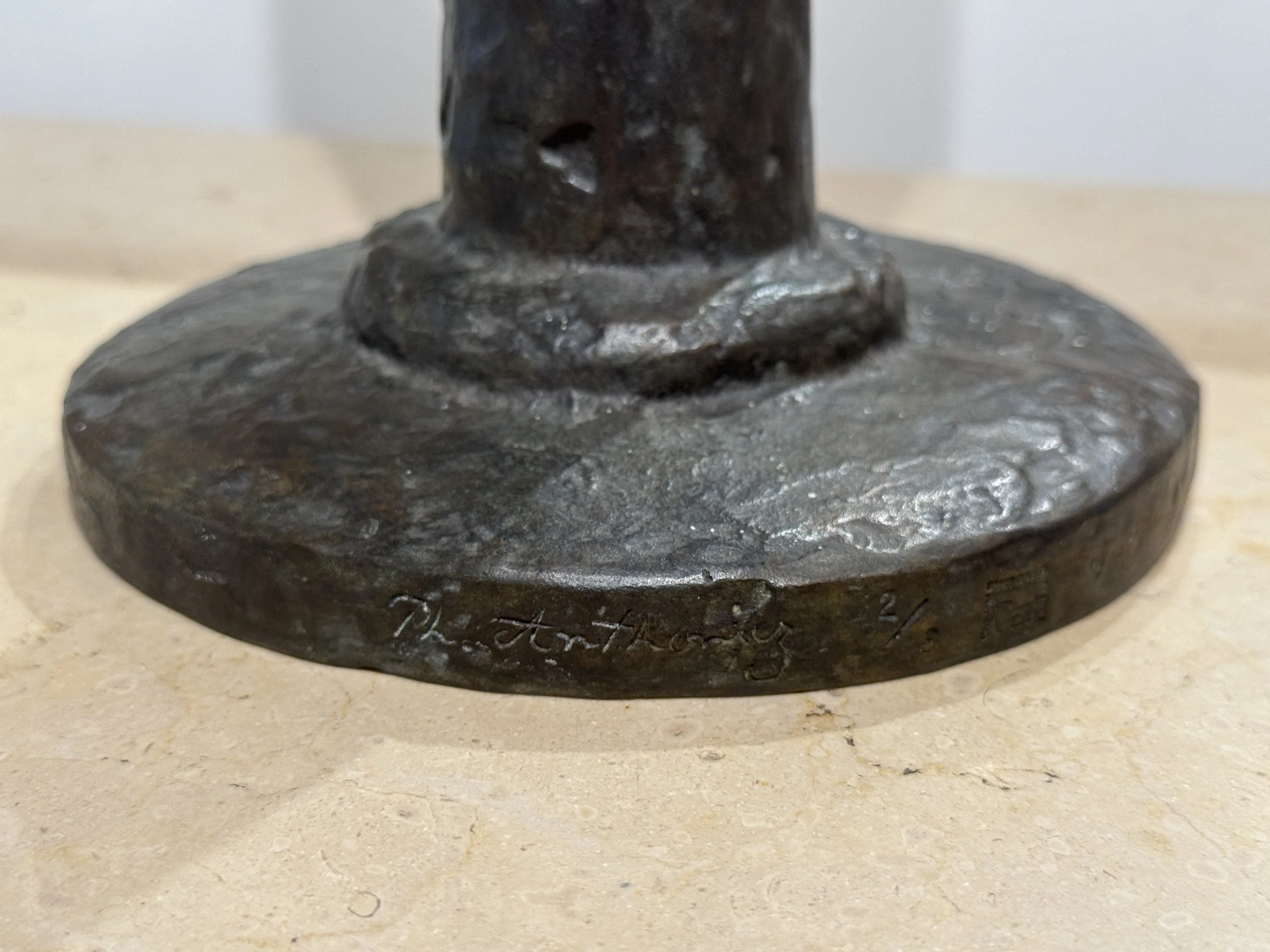 Image 5 of 11
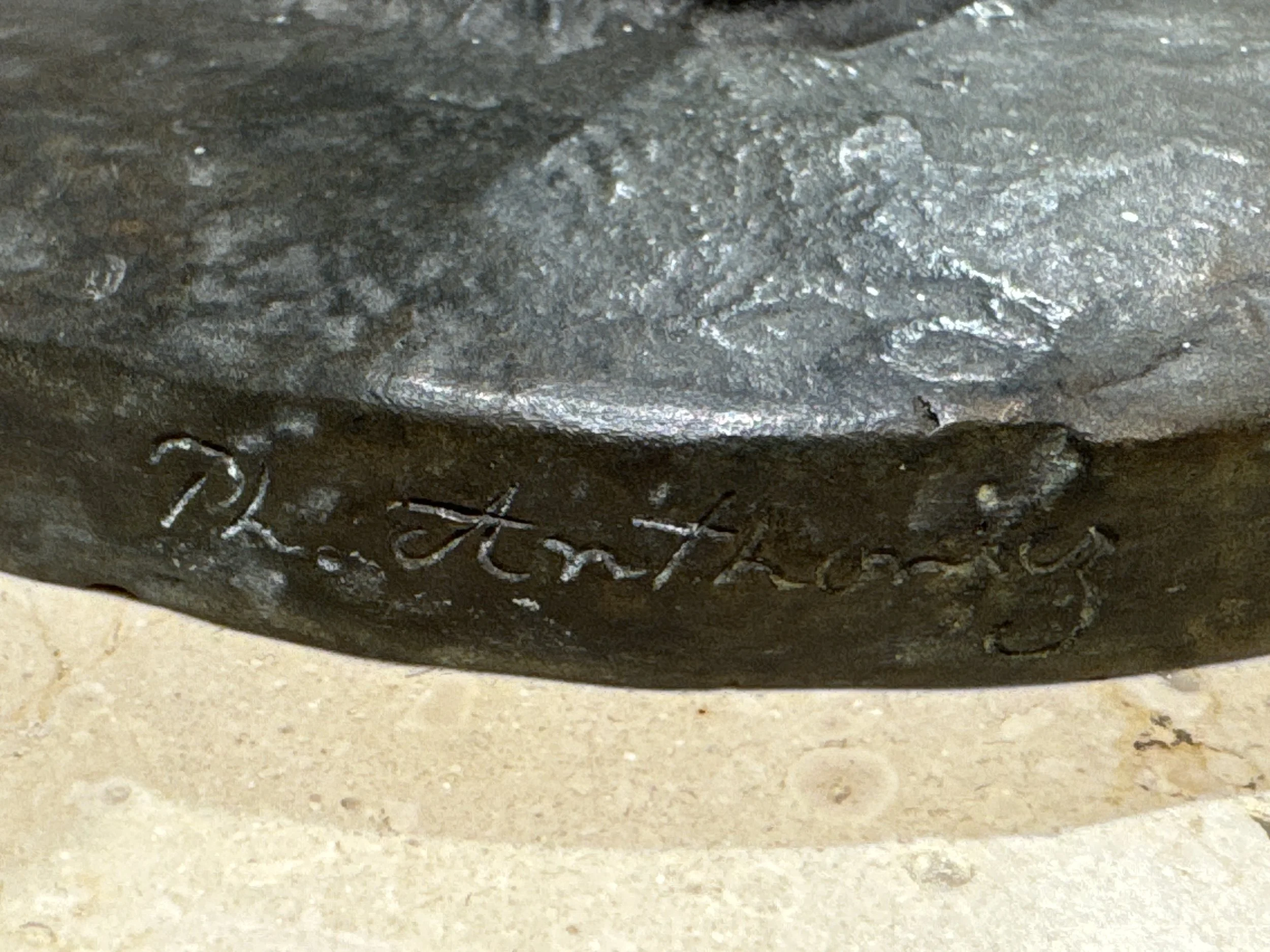 Image 6 of 11
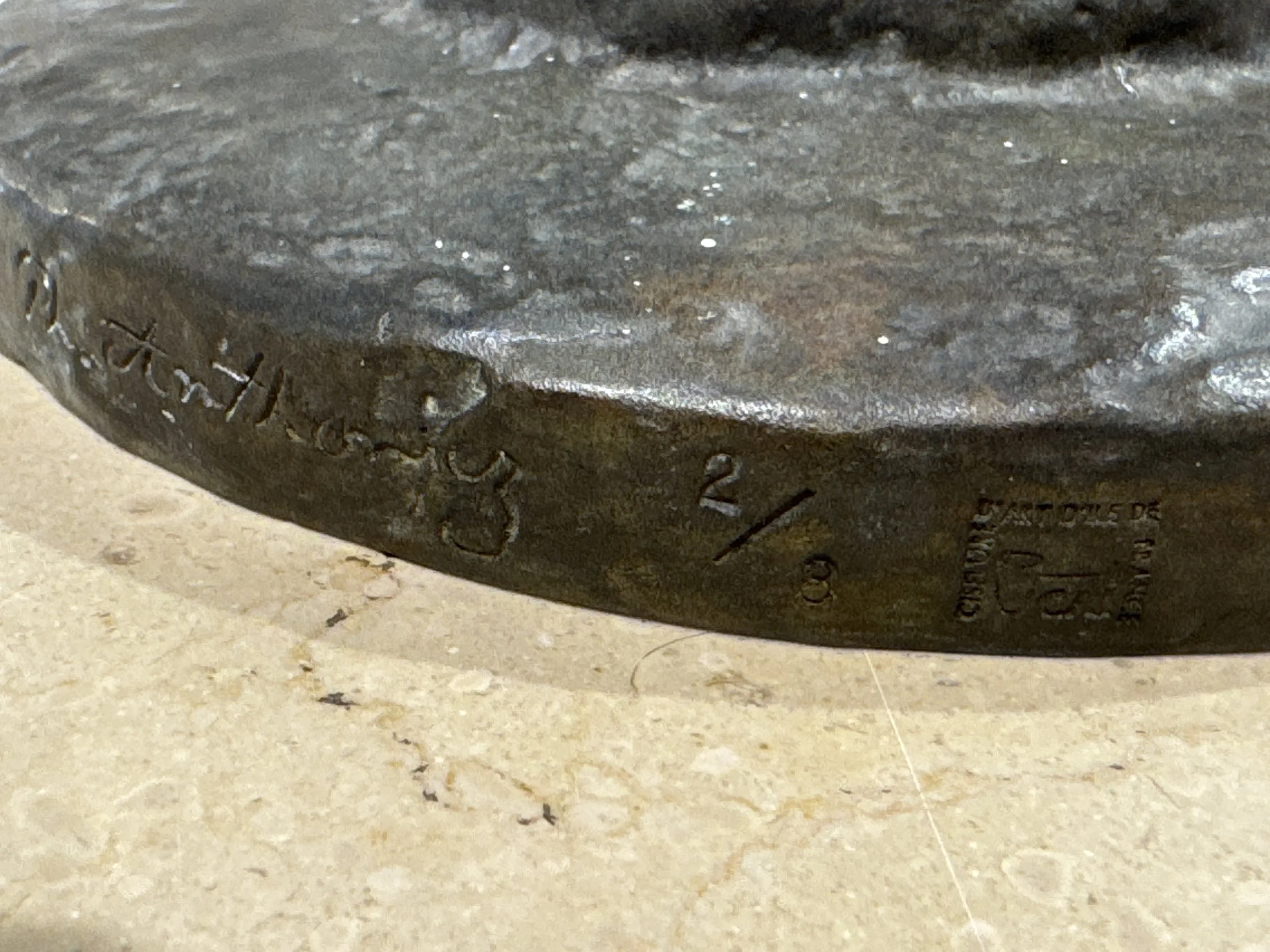 Image 7 of 11
 Image 8 of 11
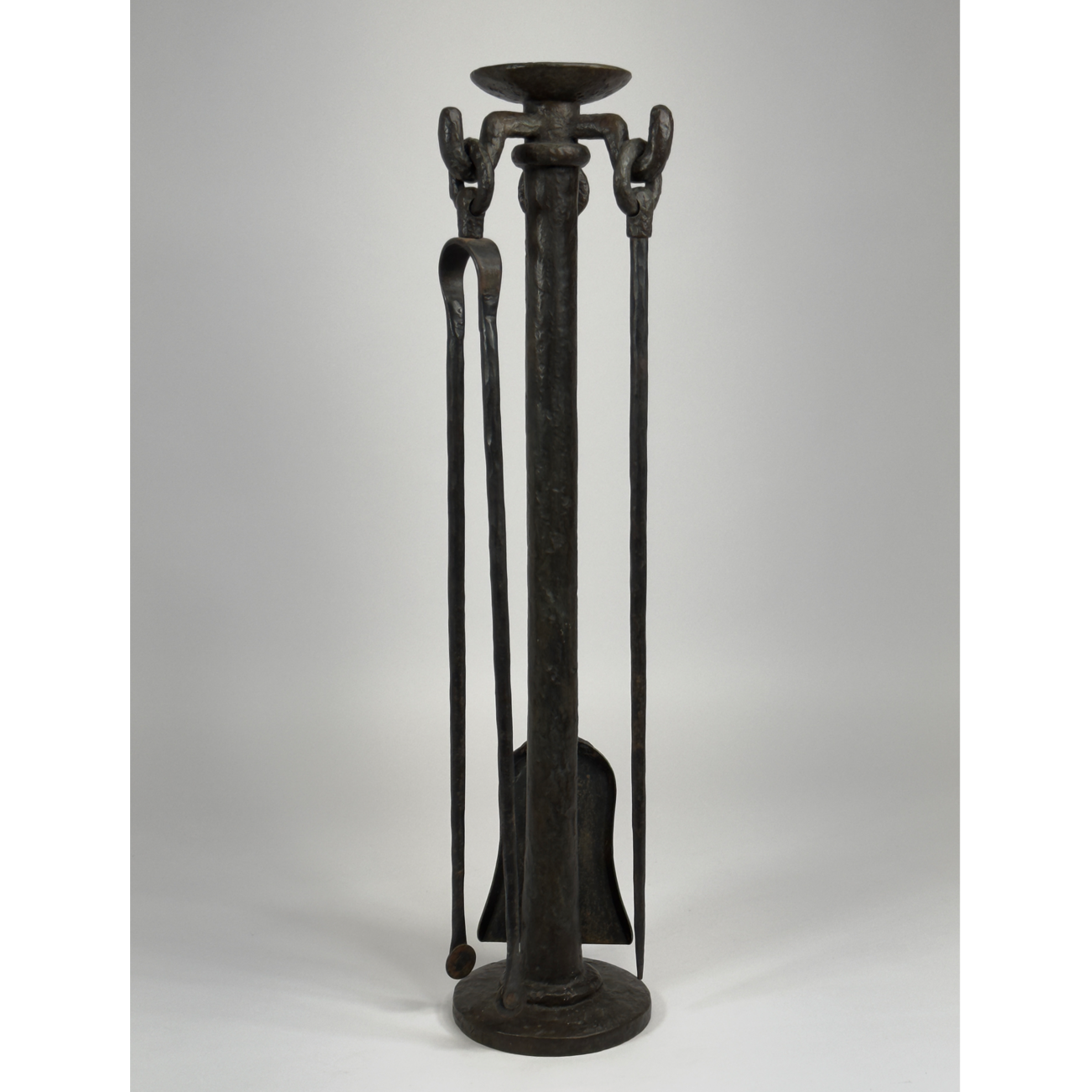 Image 9 of 11
 Image 10 of 11
 Image 11 of 11
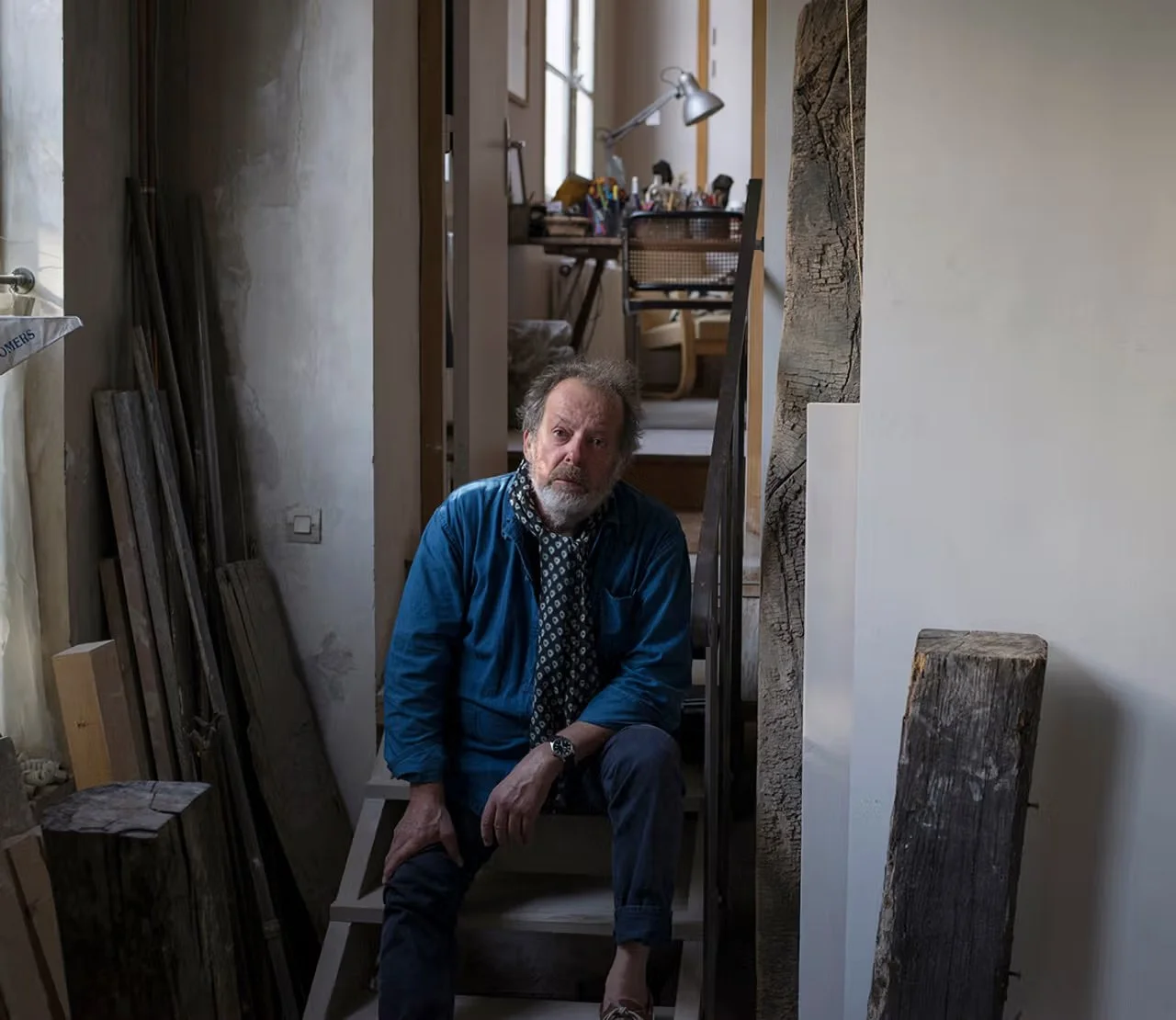
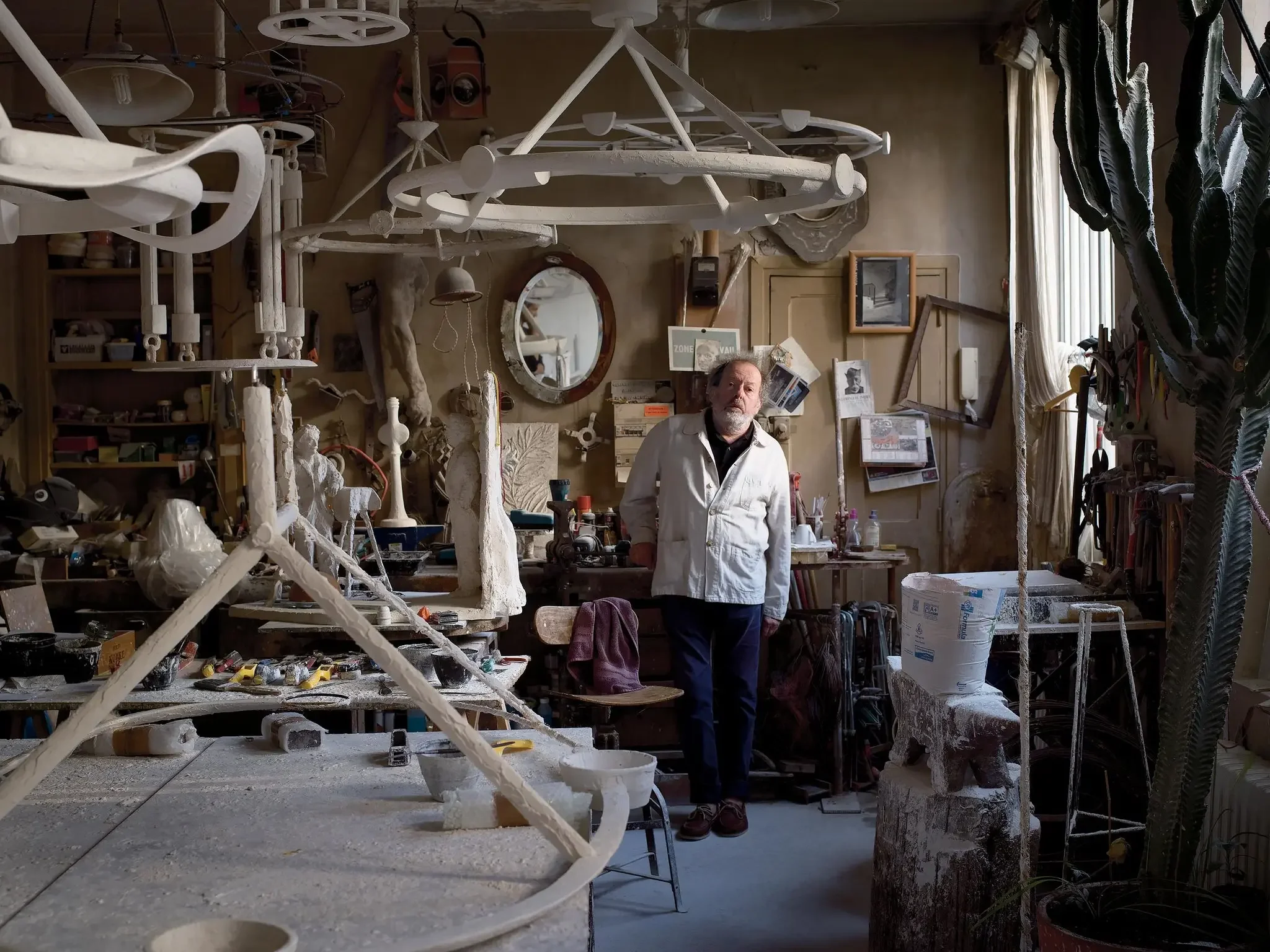
Philippe Anthonioz’s “work feels like an abstract poem written with textured materials in lieu of words, punctuated by forms in frozen movements.”
Philippe Anthonioz was introduced to the 6,500-year-old art of lost-wax casting by the legendary artist Diego Giacometti.
In 1982, Giacometti had taken on a massive commission for Paris’s new Musée Picasso. With both of Diego’s hands challenged by health ailments, Anthonioz recalls, “He asked me to work with him for a few weeks— I ended up staying three years,” Philippe worked closely under Giacometti until his passing in 1985. “During these years, Philippe became an extension of Diego Giacometti’s hands, helping him fabricate most of the studio’s works and fixtures conceptualized for the Musée Picasso commission in Paris.”
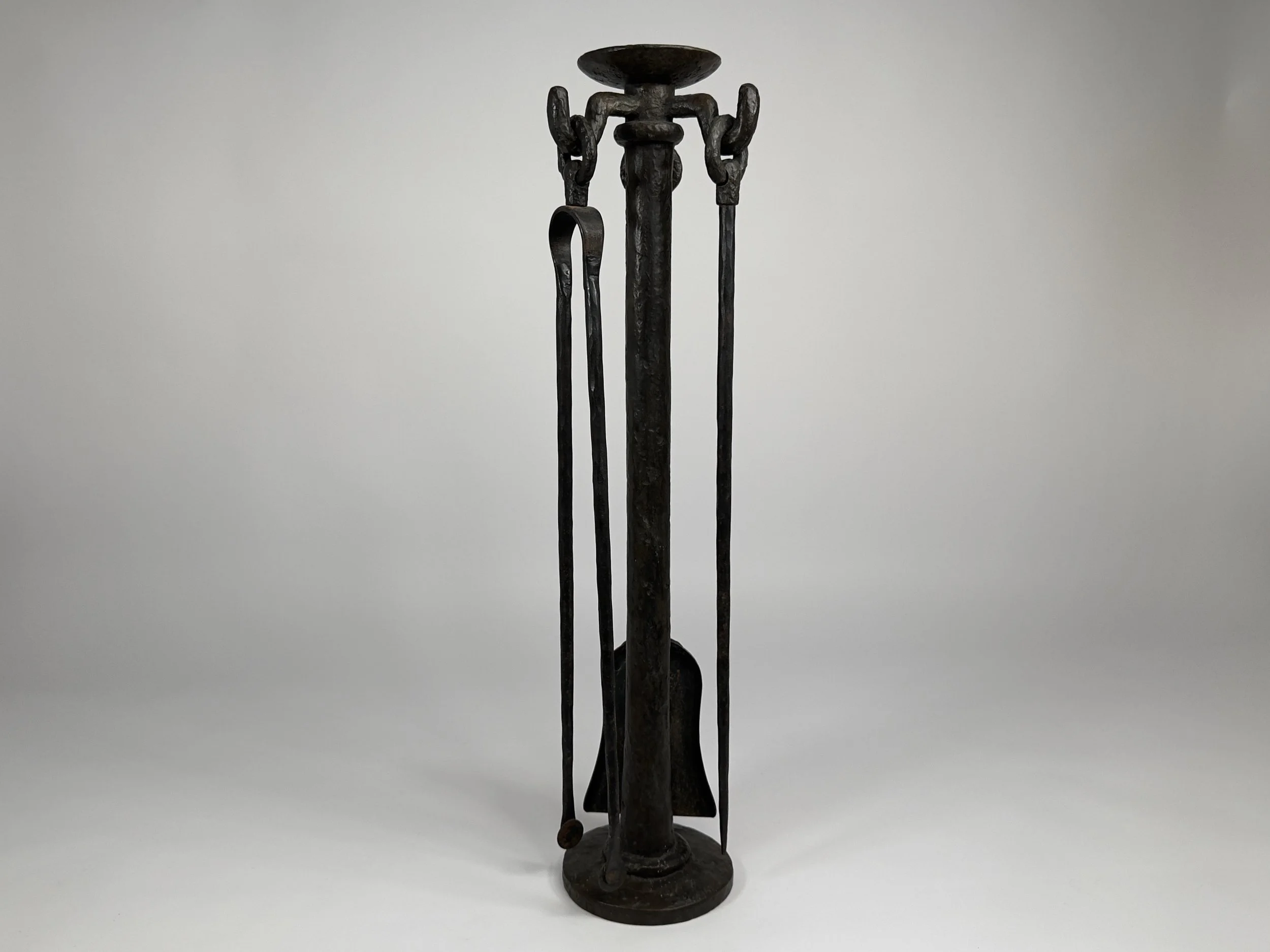
Anthonioz, a master artist in his own right “composes shapes which are capable of capturing the eye and forging a special privacy and a contemplation which goes against the conformity of everyday life”... “the functional becomes poetry, the design of sculpture intervenes with the art of living.”
Philippe Anthonioz’s work has become rarer and rarer to obtain. And the pieces that surface at auction consistently far exceed their estimates.
“Anthonioz lives and works between Paris and Provence, in the countryside of France. There, the artist expands upon a significant body of work that encompasses both functional and nonfunctional sculptures. Each is an intimate expression of the artist, rooted in the nature and materiality of its medium. Swinging between plaster, bronze, and wood with virtuoso, Philippe’s work embodies the sculptor’s dexterity as much as his artistic sensibility.
The artist's vocation may have been influenced by his childhood with a family of artists and art enthusiasts. Philippe was raised by two parents who shared a deep interest in the arts with circles of friends that included some of the most critical artists and intellectuals of the 20th century in Paris.”