 Image 1 of 7
 Image 2 of 7
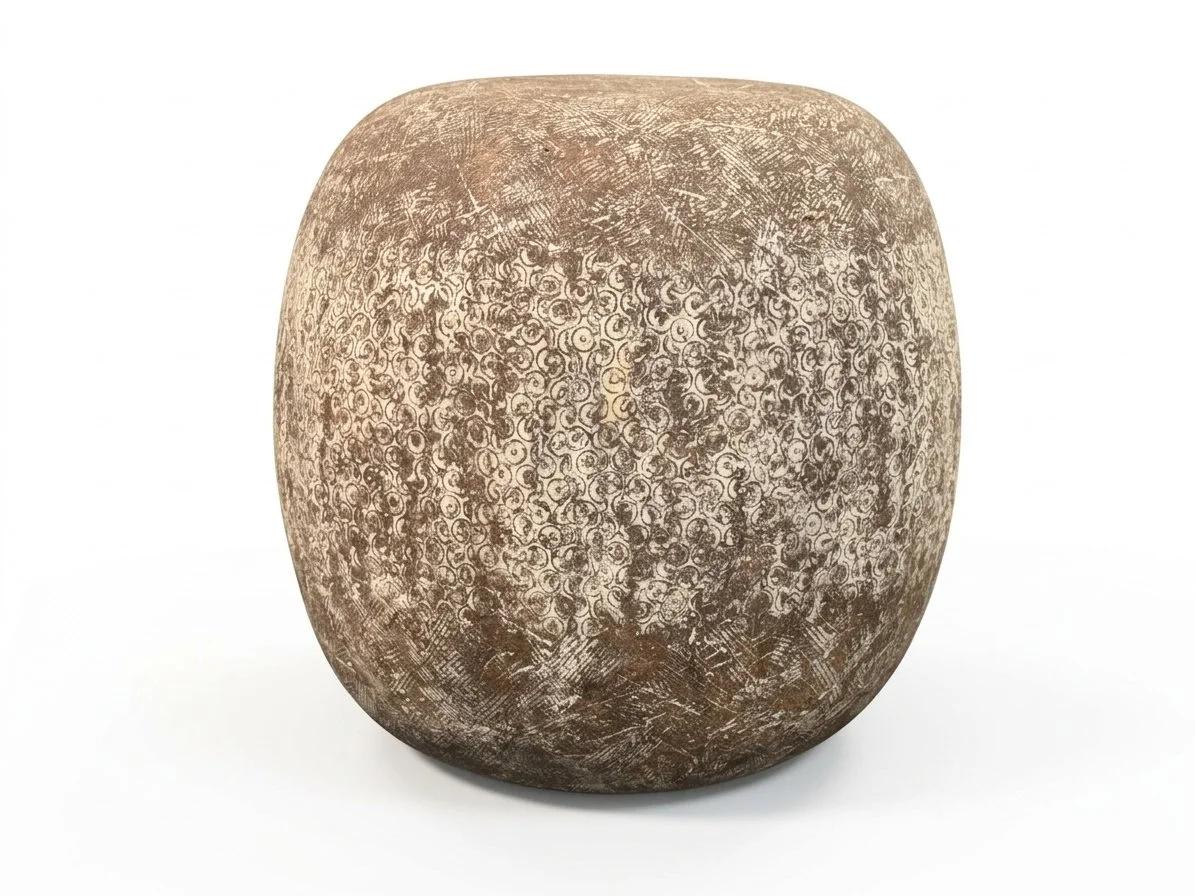 Image 3 of 7
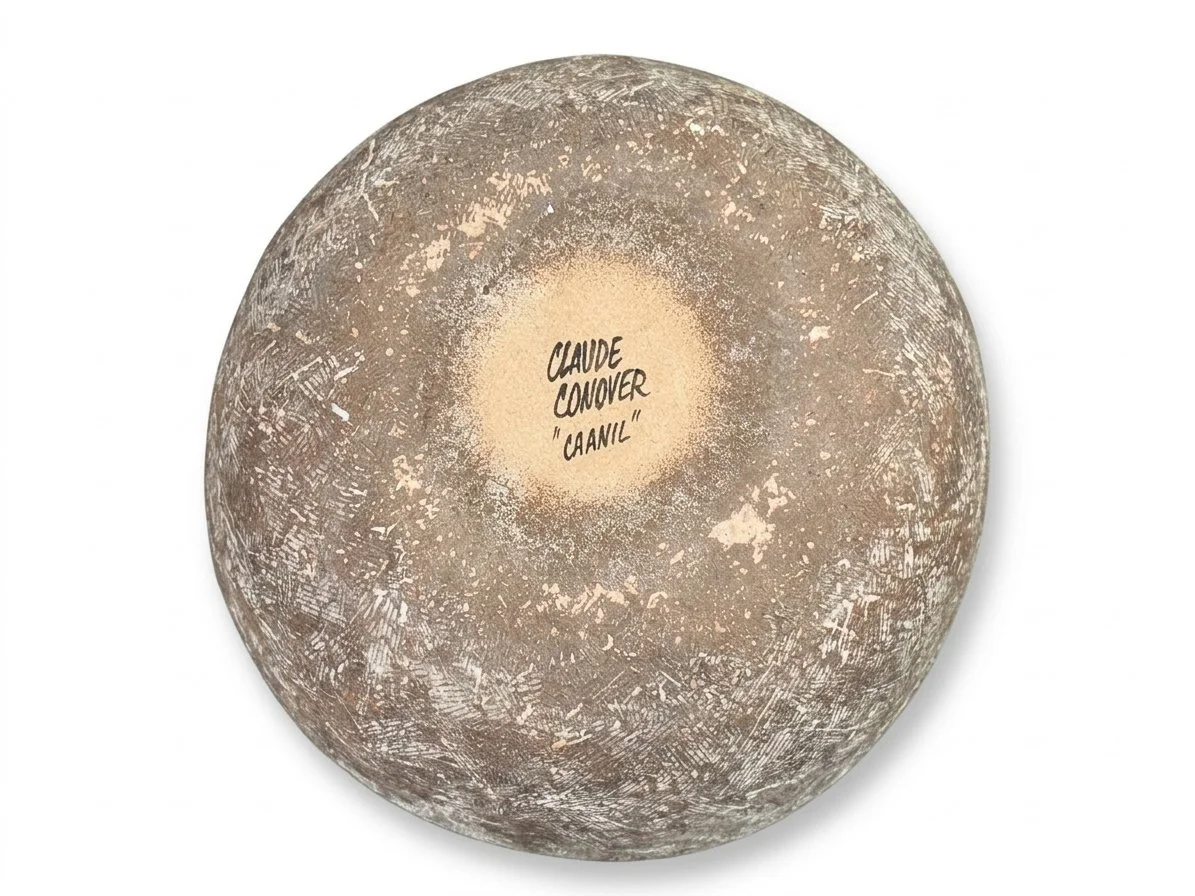 Image 4 of 7
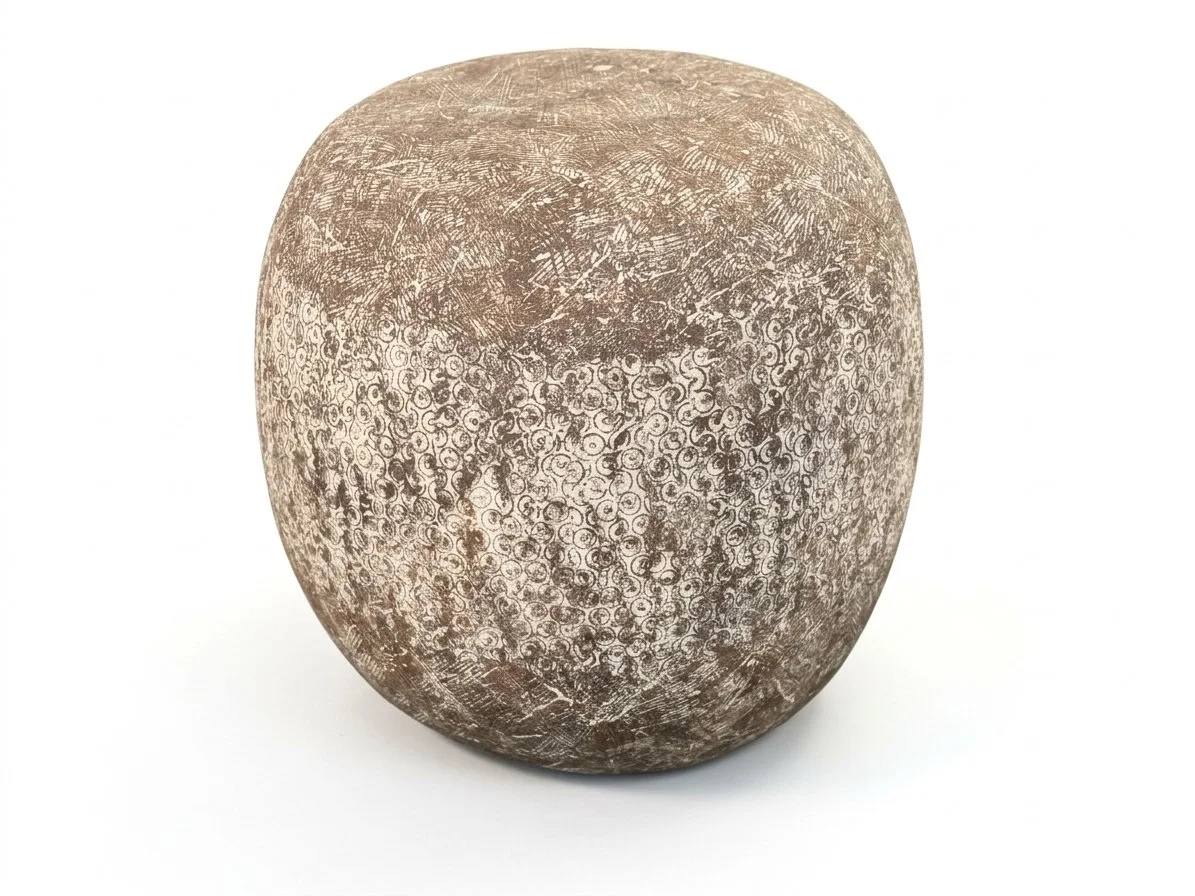 Image 5 of 7
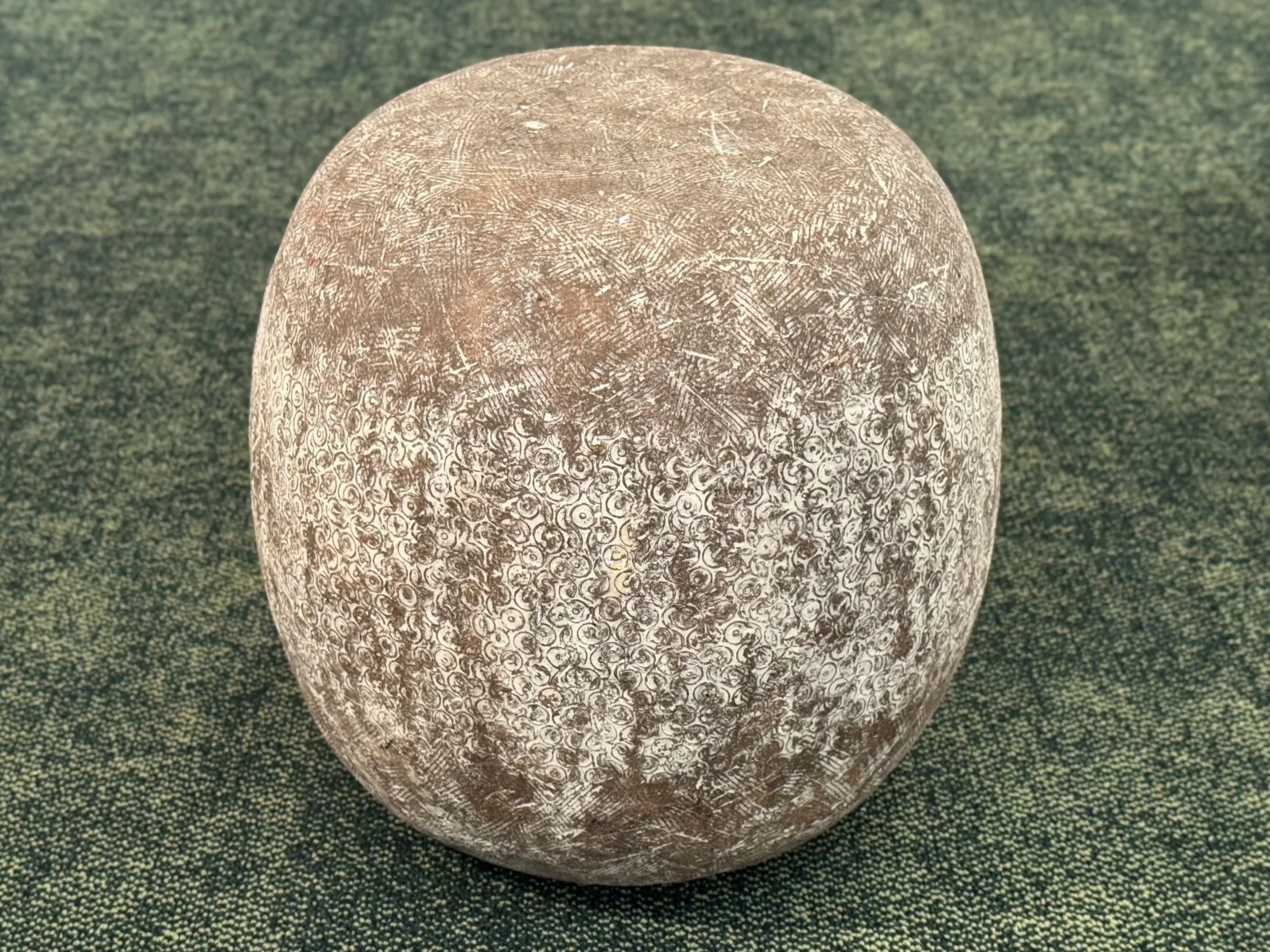 Image 6 of 7
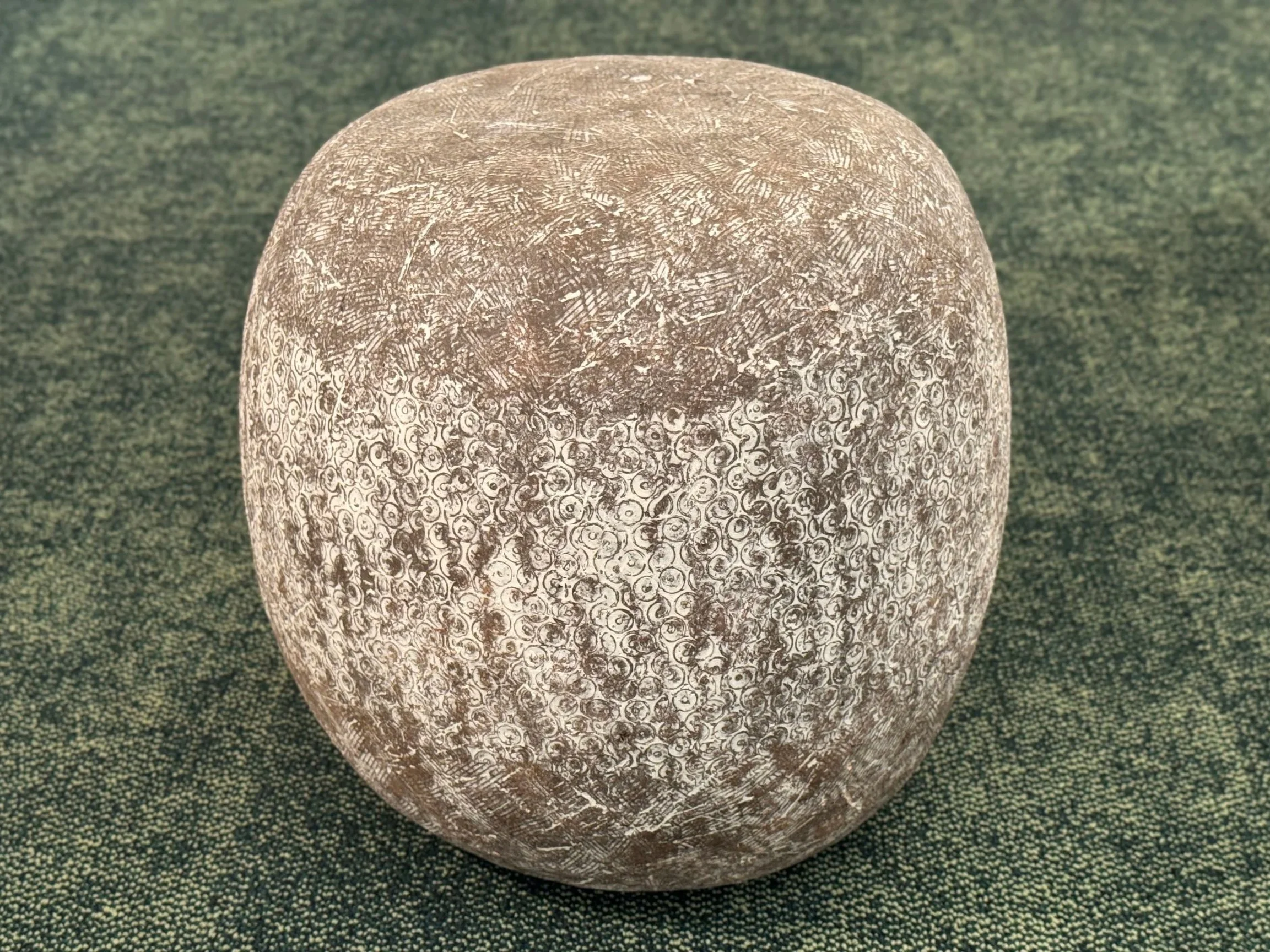 Image 7 of 7
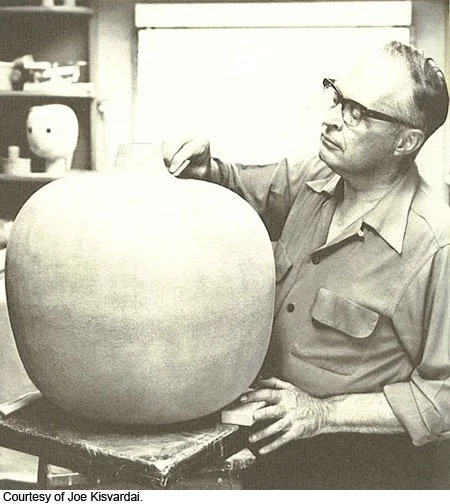
Claude Conover
“was born in Pittsburgh, Pennsylvania in 1907, but grew up nearby in New Castle. He moved to Cleveland, Ohio, to attend the Cleveland School of Art (now Cleveland Institute of Art). He studied both painting and sculpture, graduating in 1929. As the artist admitted, “I had absolutely no interest in pottery or ceramics...I went to the Art School to be a commercial artist”. For decades after graduation, he was employed as a successful commercial designer in the print and advertising industries. Throughout this phase of his career, during evenings and weekends, he continued to pursue his passion for sculptured portraits and stone carvings.
It was not until he was in his fifties that he dedicated himself full-time to ceramics. In the early 1950s, he purchased a kiln to produce his sculptures in terra cotta, converting the garage behind his house in the Cleveland suburb of South Euclid to a working ceramics studio. Conover commented, “Sometime in 1958, while wedging a block of clay, a jug shape came to mind, so I added a neck and handle...hollowed it out and then fired it...the next spring entering it in the May Show”, Cleveland’s premier event for craft, calling it Pottery Form A due to its method of production. The piece won a purchase award from the Cleveland Museum of Art. After this success, he began to regularly submit pottery to the May Show and other juried exhibitions, consistently winning prizes.
In addition to the May Show, the most important catalyst for his career was the Smithsonian Institution’s seminal exhibition, Objects: USA (1969), which toured twenty-two museums across the US and eleven cities in Europe. Viewed by over half a million people, Objects: USA elevated craft to a collected art form.
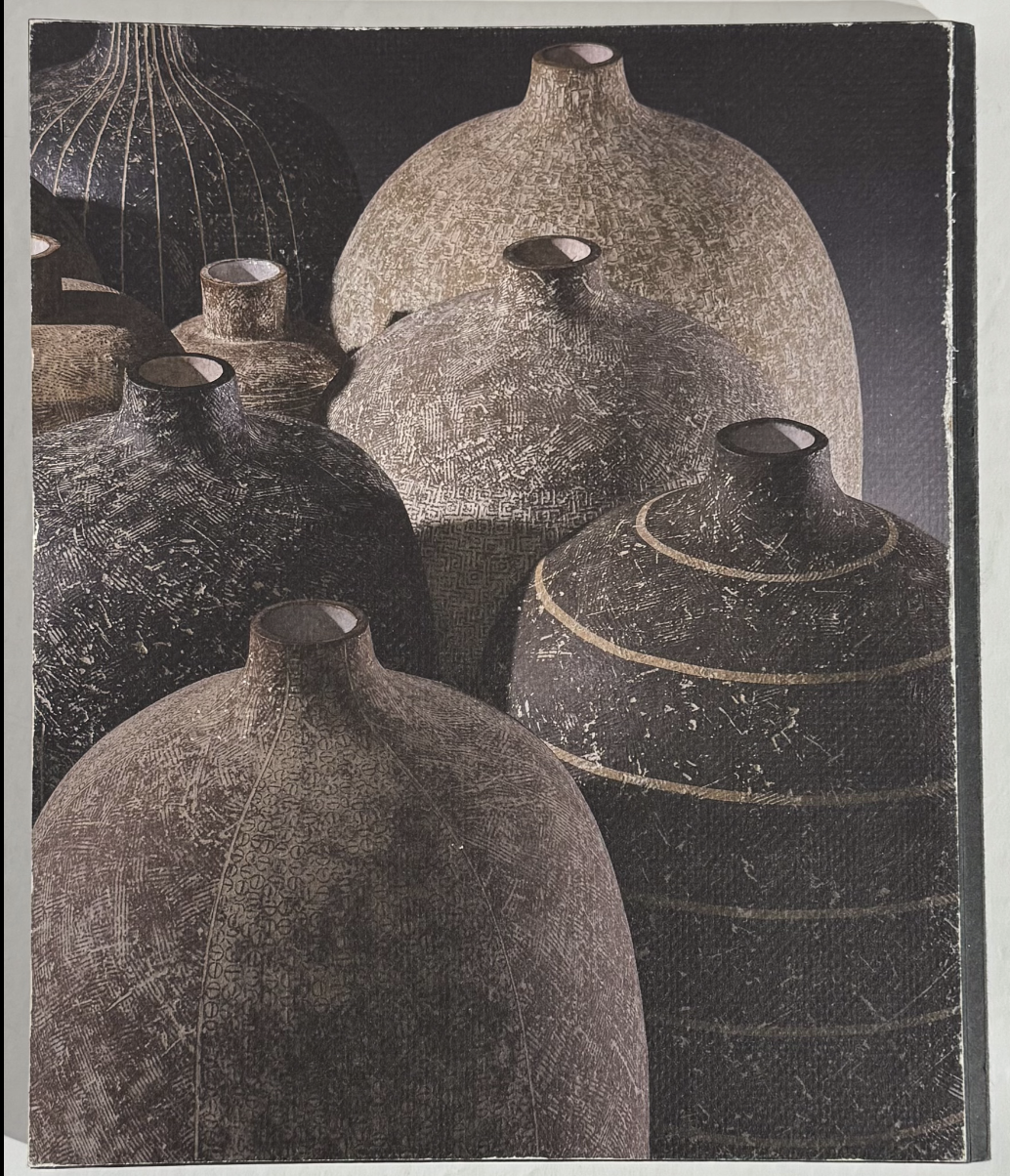
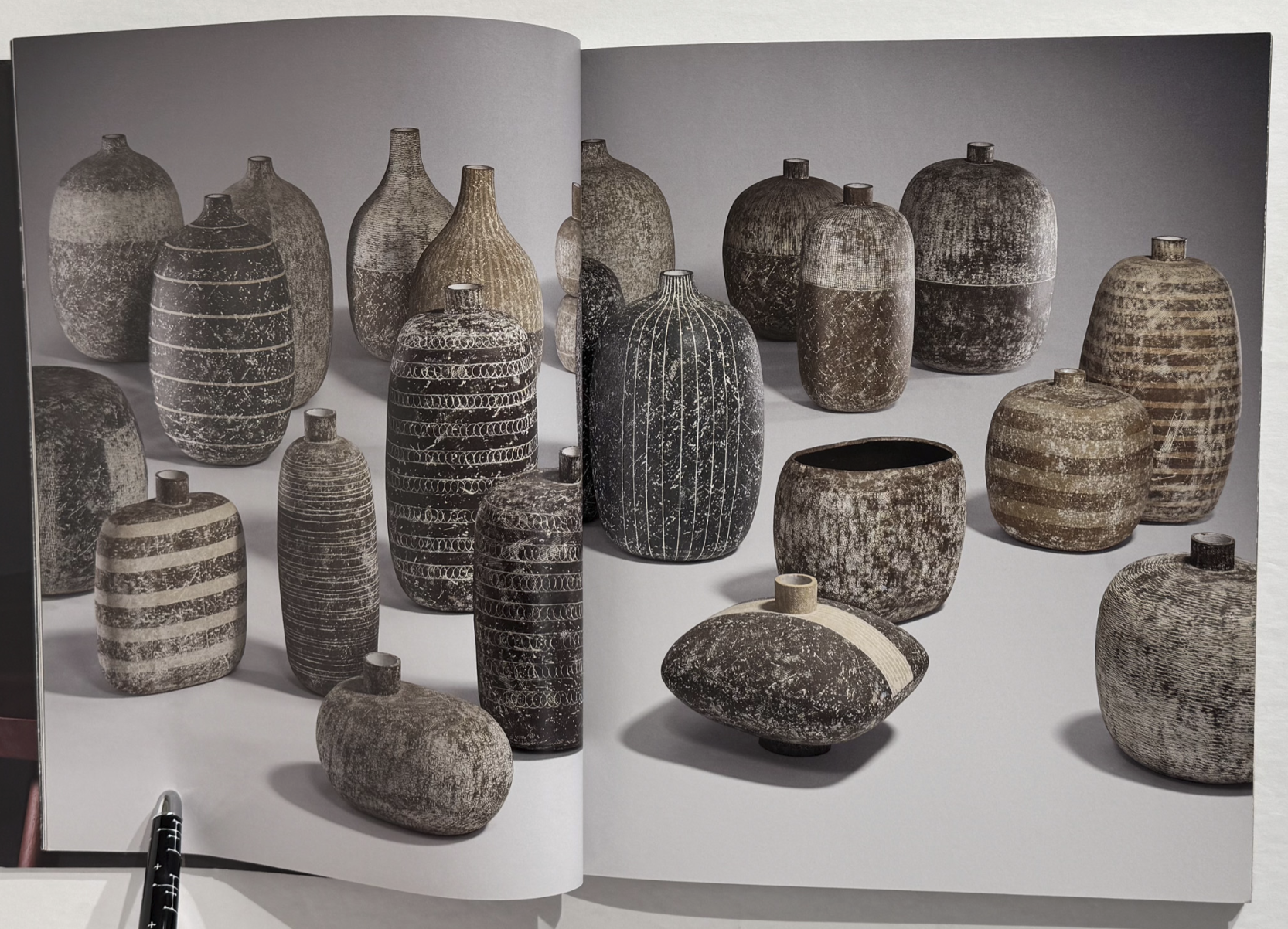
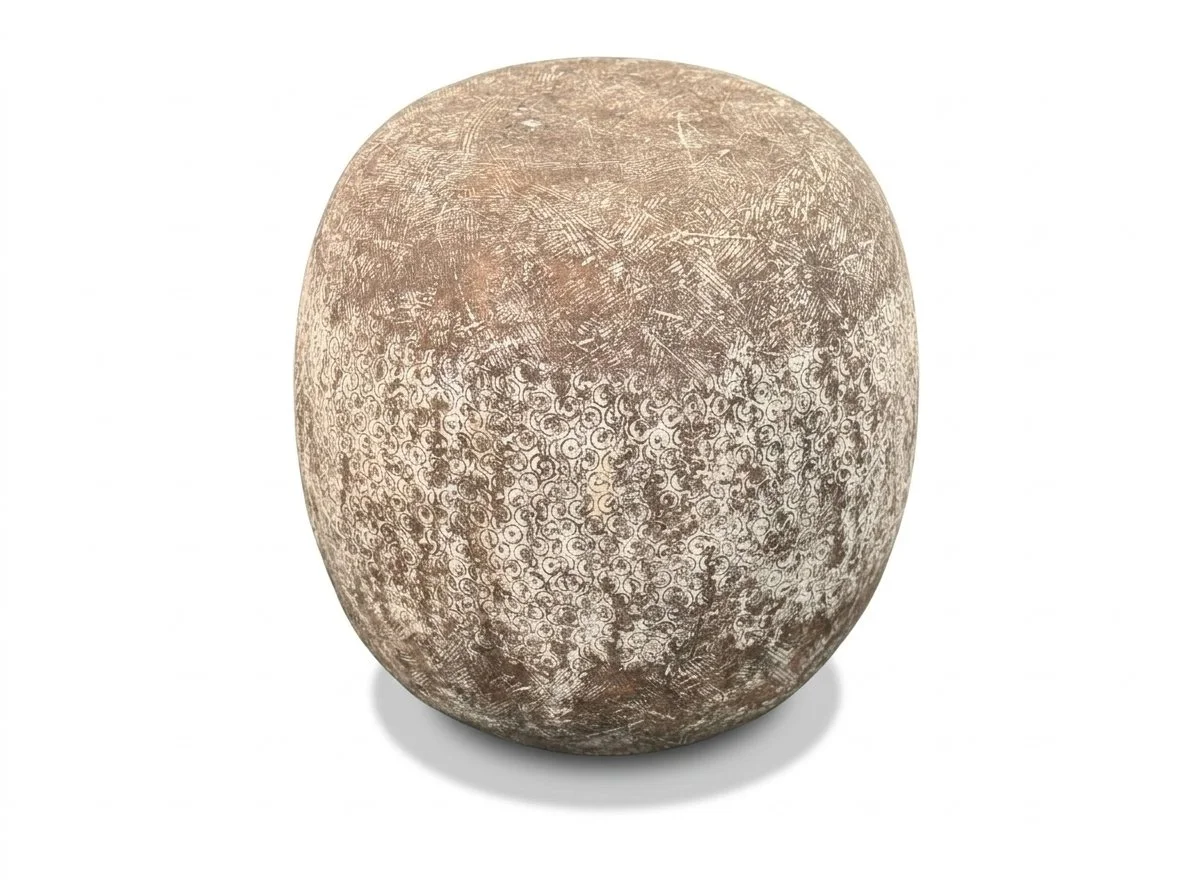
Conover said little about his art. It was one of the subjects he refused to discuss, the others being religion and politics. He famously said, “I do not believe the artist should try to make a profound statement or explain his work. The object must speak for itself”. His monochromatic palette, simple shapes, and Mayan titles invite the viewer to experience the object through a personal lens, a contemporary tabula rasa. The pieces are timeless and appropriate to almost any design idiom. Possibly the enduring appeal of Conover’s pieces is due to the artist himself, who eschewed production. As Conover said, “I continually create challenges for myself and that drives me. I am not a production person....When the bottle is ready...I look at it and at that moment I decide what I’m going to do”. Are these handmade, monolithic bottles ancient or modern abstractions? Conover found inspiration in the moment, but ultimately, interpretation lies within the viewer.
Conover’s bottles are in private collections around the world as well as in museums across the country, including the Museum of Arts and Design in New York, the Cleveland Museum of Art, the Everson Museum of Art in Syracuse, the Philadelphia Museum of Art, and the Smithsonian American Art Museum in Washington, D.C.”
Excerpts from Claude Conover Archives